
Independent Intelligence
Unsponsored equipment analysis
Unsponsored Equipment Analysis means looking at agricultural machines from a practical point of view instead of simply repeating advertising claims. Farm equipment can be a large investment, so farmers need to understand what a machine can actually do before making a decision. At AGRO Function, we look at important parts of agricultural equipment such as engine power, fuel use, working capacity, hydraulic performance, attachments, technology, maintenance, and operating costs. We explain these details in simple language so readers can understand what they mean and why they are important. We also consider how a machine may work on different farm sizes, crops, field conditions, and types of work. Our goal is not to tell everyone which machine to buy. Instead, we provide clear information that helps farmers and agriculture professionals compare different equipment and understand their advantages, limitations, and practical uses. We believe good equipment information should help readers make their own decisions based on their farm’s needs, budget, and working conditions. By focusing on useful facts and practical information rather than promotional language, AGRO Function helps make agricultural machinery easier to understand and equipment decisions more confident.
Operational Purpose
Practical guidance for working farms
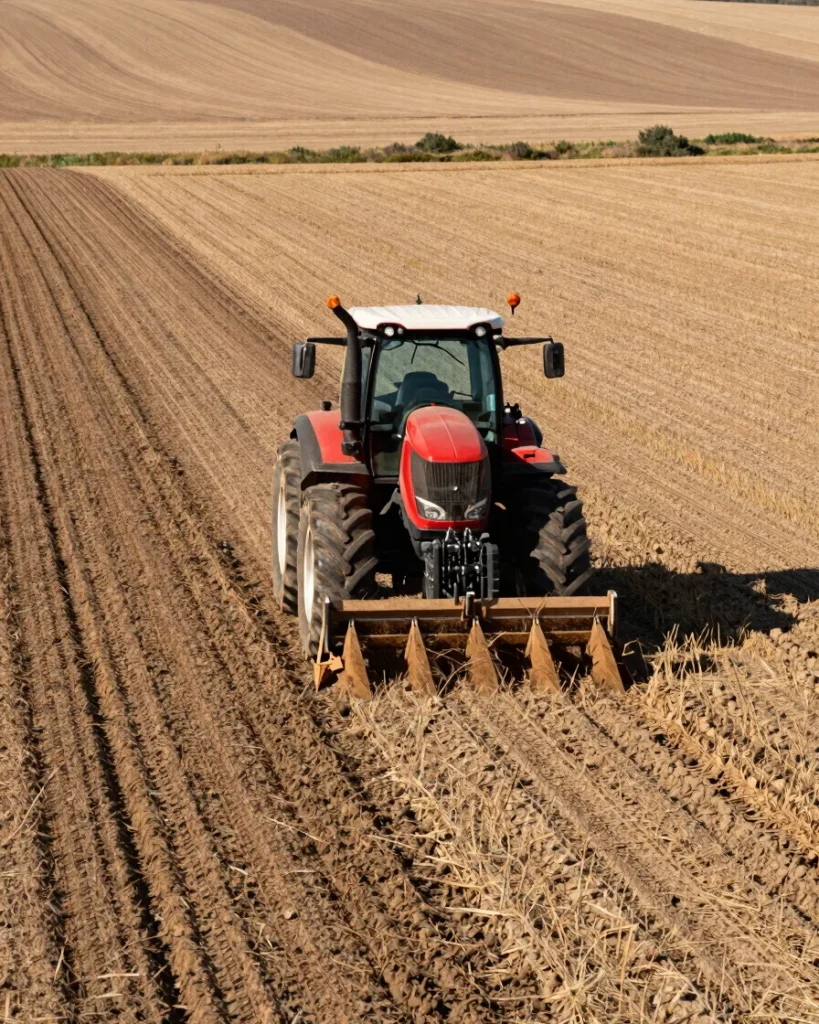
Practical Guidance for Working Farms is about providing useful information that farmers can actually apply in their day-to-day work. Farming involves many different tasks, from preparing the soil and planting crops to spraying, irrigation, harvesting, and maintaining equipment. Each task requires the right machine, proper settings, good planning, and safe operation. At AGRO Function, we explain these activities in simple language so farmers and machinery operators can better understand how to use modern equipment in real farm conditions. We cover topics such as machine operation, field preparation, equipment settings, fuel and time efficiency, preventive maintenance, safety checks, and the use of modern farming technology. We also explain how factors such as soil conditions, weather, crop type, field size, and machine capacity can affect daily operations. Our goal is to provide practical guidance that helps working farms save time, reduce unnecessary costs, avoid common equipment problems, and complete field work more efficiently. Instead of using complicated instructions, we focus on clear and useful information that can help farmers make better decisions while working in the field.
Evaluation Standard
Four-phase testing framework
01
Initial Specification Audit
Initial Specification Audit is the first step in understanding agricultural equipment. At AGRO Function, we review important specifications such as engine power, capacity, fuel use, hydraulic flow, size, weight, and key features. This helps readers quickly understand what a machine offers and whether it may be suitable for different farming needs.
02
Controlled Field Testing
Controlled Field Testing focuses on understanding how agricultural equipment performs under specific working conditions. At AGRO Function, we look at factors such as machine performance, operating speed, fuel use, capacity, and efficiency to provide a clearer picture of how equipment may perform in real farming situations.
03
Maintenance Assessment
Maintenance Assessment helps understand how easy and practical it is to keep agricultural equipment in good working condition. At AGRO Function, we look at regular servicing, common wear parts, maintenance needs, repair requirements, and expected downtime. This helps farmers understand the ongoing care a machine may need and plan for long-term equipment costs.
04
Telemetry and Integration
Telemetry and Integration looks at how agricultural machines collect, share, and use information. At AGRO Function, we explain technologies such as GPS, machine monitoring, sensors, and connected systems in simple language. This helps farmers understand how equipment can work together, track performance, monitor important data, and support more efficient farm operations.