
Technical Specification Hub
Heavy Machinery Analysis
Heavy Machinery Analysis
Heavy Machinery Analysis is about understanding the large and powerful machines used in modern agriculture. Farming today depends on much more than traditional tools. Tractors, combines, planters, sprayers, harvesters, loaders, autonomous machines, electric equipment, and other advanced technologies are helping farmers complete difficult jobs faster and with less manual labor.
At AGRO Function, we look closely at these machines and explain how they work in simple and easy-to-understand language. We examine important areas such as engine power, fuel consumption, hydraulic systems, operating capacity, working speed, attachments, technology features, maintenance needs, and overall performance. This helps farmers understand what a machine can actually do and whether it is suitable for their specific farming needs.
Our analysis also looks at how machinery performs in real field conditions. A machine may have impressive specifications, but its actual usefulness depends on factors such as farm size, soil conditions, crop type, weather, field layout, and the type of work being performed. Understanding these factors can help farmers avoid choosing equipment that is too large, too small, too expensive, or not suitable for their operation.
We also cover modern agricultural technologies that are becoming an important part of heavy machinery. GPS guidance, precision farming systems, automation, machine monitoring, sensors, telematics, autonomous driving, and electric power systems are changing the way agricultural equipment is used. These technologies can help improve accuracy, reduce unnecessary fuel and input use, save time, and make field operations more efficient.
Another important part of our analysis is operating cost. Buying a machine is only one part of the total cost. Farmers also need to consider fuel or electricity consumption, maintenance, spare parts, repairs, labor, downtime, and the expected working life of the equipment. Looking at these factors together gives a better understanding of the machine’s long-term value.
AGRO Function also helps readers compare different types of agricultural machinery. Instead of focusing only on manufacturer claims, we look at important specifications and practical features that can affect everyday farm operations. This makes it easier for farmers, farm managers, contractors, and agriculture enthusiasts to understand the differences between machines and make better decisions.
Our goal is simple: to make agricultural machinery easier to understand. Whether you are researching a new tractor, comparing combine harvesters, learning about autonomous equipment, or trying to understand the latest electric farming machines, AGRO Function provides clear and practical information.
By understanding how heavy machinery works, what it costs to operate, how much work it can handle, and where it can be most useful, farmers can make smarter equipment decisions. The right machinery can save time, labor, fuel, and money, while also helping farms become more productive and efficient.
Performance Metrics
Hydraulic Capacity and Power Delivery
Tractors
High-Pressure Hydraulic Flow Rates
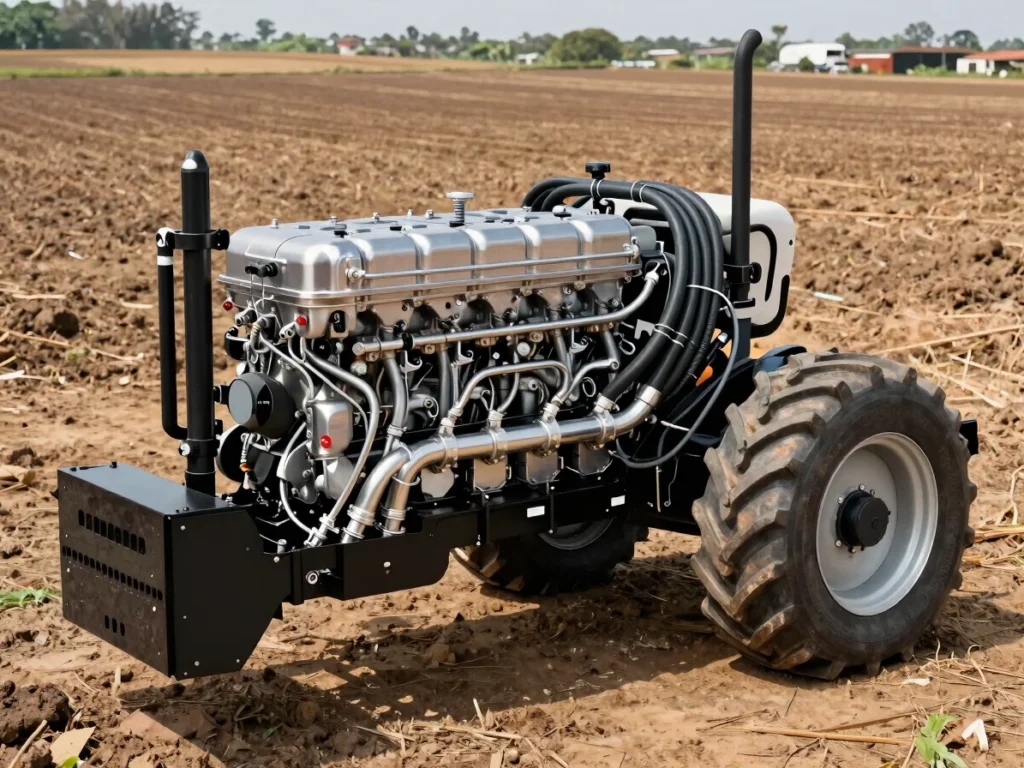
High-Pressure Hydraulic Flow Rates are important for many modern farm machines. Hydraulic systems use pressurized oil to power equipment such as tractors, loaders, harvesters, and other attachments. The flow rate tells you how much hydraulic oil the system can move in a certain amount of time. It is usually measured in liters per minute (L/min) or gallons per minute (GPM).
A higher flow rate can help some attachments work faster, but more flow is not always better. The correct flow rate depends on the machine and the attachment being used. At AGRO Function, we explain hydraulic systems in simple terms so farmers and machinery operators can understand how flow rate affects machine performance, efficiency, and safe operation.
Harvesters
Threshing Efficiency and Rotor Dynamics
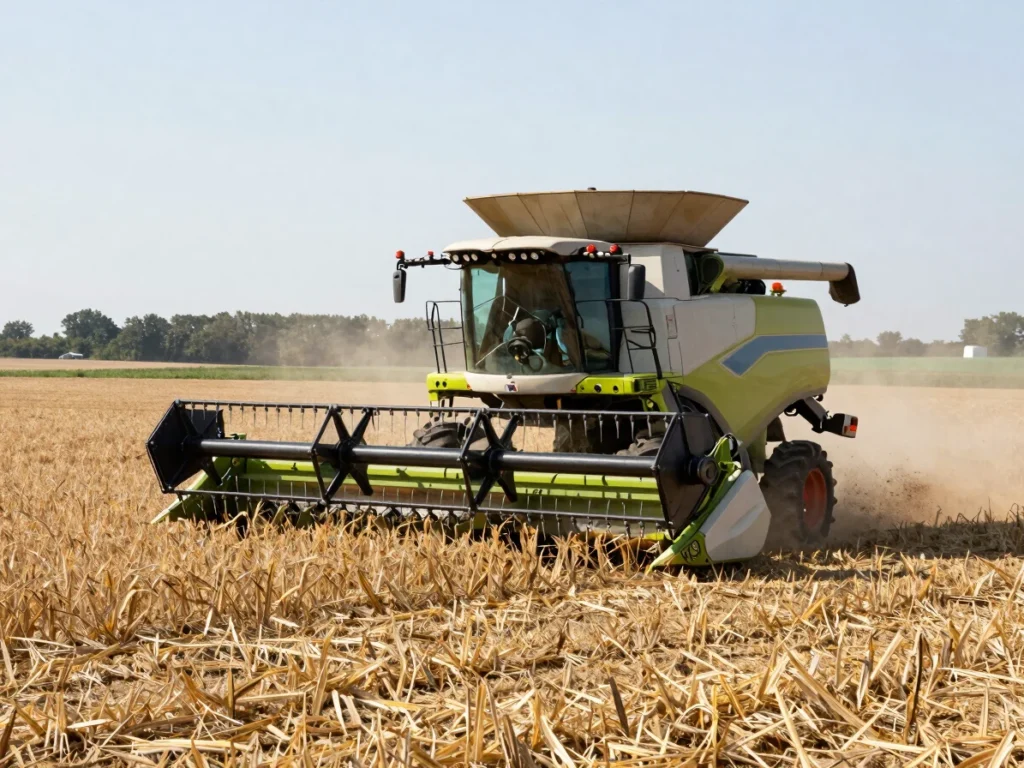
Threshing Efficiency and Rotor Dynamics are important when choosing and operating modern combine harvesters. Threshing is the process of separating grain from the crop, while the rotor helps move the crop through the machine and separates the grain from the plant material. The speed of the rotor and the way the crop moves through it can affect how well the grain is separated. If the rotor speed is too high, it can damage the grain or use more power. If it is too slow, some grain may not be separated properly. At AGRO Function, we explain these systems in simple terms to help farmers understand how rotor speed, crop conditions, and machine settings can improve harvesting performance and reduce grain losses.
Acquisition Criteria
Evaluating Total Cost of Ownership
Commercial machinery investments require rigorous duty cycle modeling against specific regional acreage scales. Assessing implement compatibil
Buying commercial agricultural machinery is a major investment, so it is important to look beyond the purchase price. Before choosing a machine, farmers and farm businesses should think about how much land they need to manage, what type of work the machine will perform, and how often it will be used.
One of the first things to check is whether the machine is suitable for the farm’s size and workload. A large machine may be useful for a large farm, but it may not be a practical choice for a smaller operation. On the other hand, using a machine that is too small for a large area can increase working time, fuel use, and labor costs.
It is also important to check implement compatibility. Tractors and other machines often work with different attachments, such as plows, planters, cultivators, sprayers, and harvest equipment. Make sure the machine has enough power, hydraulic capacity, lifting ability, and the right connections for the implements you plan to use.
Fuel or energy use is another important factor. Instead of only looking at how much fuel a machine uses per hour, it can be more useful to understand how much fuel it uses to complete a specific amount of work, such as one acre or one hectare. This gives a better idea of the machine’s real operating cost.
Maintenance should also be included when calculating the long-term cost. Every machine needs regular servicing, replacement parts, lubrication, inspections, and occasional repairs. Machines that are used heavily may need maintenance more often. Understanding these costs before buying can help prevent unexpected expenses later.
Farmers should also consider downtime. A machine that spends too much time in the workshop can delay important field operations, especially during planting and harvesting seasons. Reliable equipment and easy access to spare parts and service support can therefore be just as important as the machine’s performance.
The best machinery investment is not always the biggest or most powerful machine. The right choice is the machine that matches the farm’s workload, works well with existing equipment, uses resources efficiently, and can be maintained at a reasonable cost.
At AGRO Function, we help farmers and agricultural professionals understand these factors so they can compare machinery more confidently and make better long-term decisions.
ity, fuel burn per acre, and anticipated maintenance intervals ensures long-term operational profitability.
Managing a fleet of agricultural machines is a big responsibility. Fleet managers need to think about more than just the price of buying new equipment. They also need to consider how much the machines will cost to operate, how useful they will be over time, and how much value they may have when it is time to sell or replace them.
One of the first things to consider is the initial purchase cost. A cheaper machine may look like the better option, but the lowest purchase price does not always mean the lowest overall cost. Fuel consumption, maintenance, repairs, insurance, and downtime can all add to the total cost of owning a machine.
Telemetry and connected technology are also becoming more important in modern farm fleets. Many newer machines can collect information about fuel use, engine hours, location, machine performance, maintenance needs, and field activity. This information can help fleet managers understand how machines are being used and identify areas where time or fuel may be wasted.
It is also useful to think about the machine’s resale value. Agricultural machinery can remain valuable for many years if it is reliable, well maintained, and in good condition. Before buying a machine, managers should consider how well it is expected to hold its value and how easy it may be to sell in the future.
Another important step is comparing machines independently. Manufacturers naturally want to present their equipment in the best possible way. Their specifications and marketing materials are useful, but they should not be the only source of information. Comparing important factors such as engine power, fuel use, hydraulic capacity, operating costs, maintenance requirements, technology, and warranty support can provide a clearer picture.
Independent analysis helps fleet managers make decisions based on real performance and long-term value rather than advertising claims.
The best fleet is not necessarily the one with the most expensive or most advanced machines. It is the one that matches the farm’s workload, controls operating costs, uses technology effectively, and provides reliable performance over many years.
At AGRO Function, we aim to make agricultural machinery information easier to understand by breaking down specifications, features, operating costs, and technology in a simple and practical way. This helps farmers and fleet managers compare equipment with greater confidence and make smarter purchasing decisions.
Documentation
Operator Manuals and Spec Sheets
Manuals
Field Operation Guides
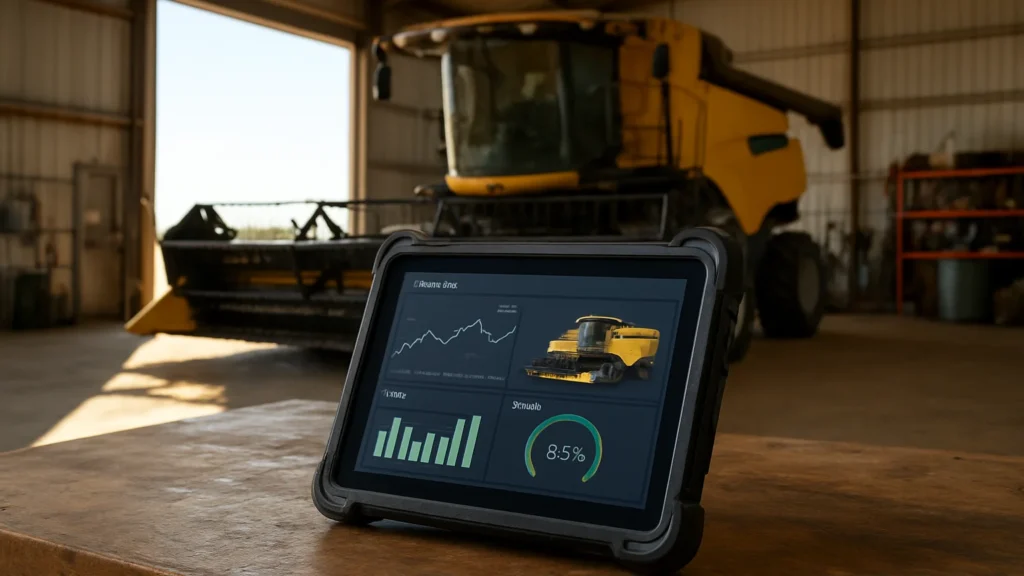
Field Operation Guides help farmers understand how to carry out important farm activities safely, efficiently, and with the right equipment. These guides can cover tasks such as soil preparation, planting, spraying, irrigation, crop monitoring, harvesting, and post-harvest operations. At AGRO Function, we explain field operations in simple and practical language, including machine settings, operating steps, technology use, safety checks, and useful tips. Our goal is to help farmers and equipment operators complete field work more efficiently, reduce unnecessary costs, avoid mistakes, and get better results from modern agricultural machinery and technology.
Specs
Technical Datasheets
Technical Datasheets provide important information about agricultural machinery, equipment, and technology in a clear and easy-to-understand format. They can include details such as engine power, fuel or energy use, hydraulic flow, operating capacity, dimensions, weight, attachments, technology features, and maintenance requirements. At AGRO Function, we break down technical specifications into simple language so farmers, machinery operators, and agriculture professionals can quickly understand what a machine can do and compare different equipment. Our goal is to make technical information easier to use when choosing, operating, and managing modern agricultural equipment.
Safety
Preventive Maintenance
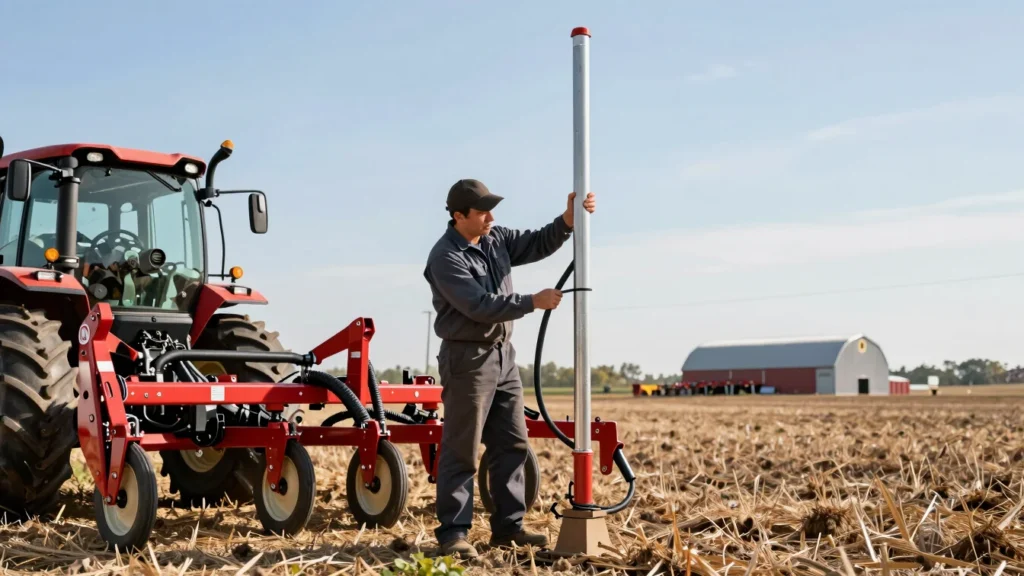
Preventive Maintenance helps keep agricultural machinery working properly and reduces the chance of unexpected breakdowns during important farming operations. Regular checks can include engine oil, filters, hydraulic systems, tires, belts, chains, electrical components, lubrication points, and other critical parts. At AGRO Function, we explain preventive maintenance in simple and practical language, helping farmers and equipment operators understand what should be checked, how often maintenance may be needed, and why regular servicing matters. Proper maintenance can improve machine performance, reduce repair costs, extend equipment life, and help keep field operations running smoothly.