
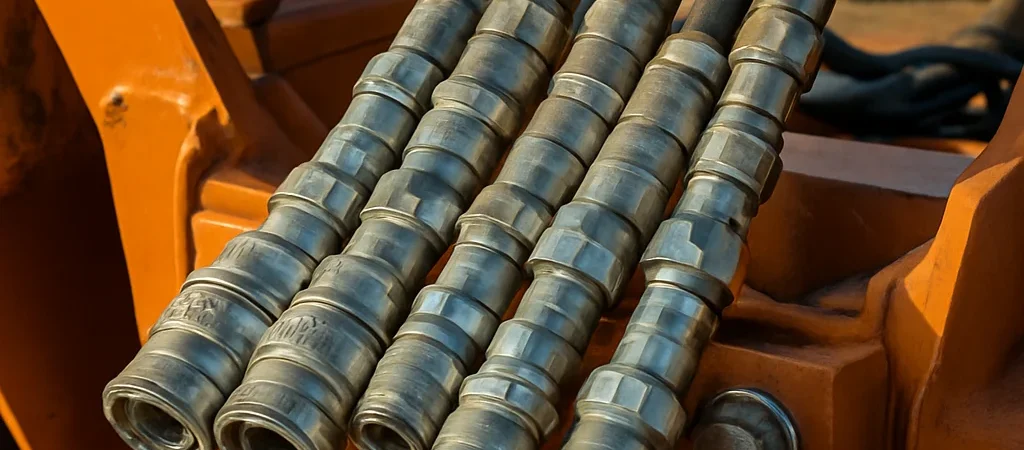
Operating large-frame air seeders and high-speed planters demands consistent fluid delivery across multiple auxiliary hydraulic circuits simultaneously. When total implement consumption approaches maximum pump capacity, oil temperatures spike and hydraulic motor speeds fluctuate across the toolbar. Evaluating pump displacement alongside continuous duty cycle requirements ensures consistent seed depth and prevents mid-season valve block failures.
Calculating Continuous Flow Demands
Auxiliary hydraulic circuits on high-capacity tractors are frequently rated for peak output rather than sustained load. A sixty gallon per minute pump rating often reflects total system output split across dual pumps, with individual remote valves capped at lower continuous flow rates. Operators must sum the continuous requirements of vacuum motors, liquid fertilizer pumps, and active downforce systems to determine if standard remotes will starve essential circuits during field operations.
Managing Hydraulic Heat Dissipation
Sustained high-flow operation creates friction that degrades hydraulic fluid viscosity and damages pump seals if heat exchangers cannot maintain stable fluid temperatures. Installing dedicated return lines that bypass selective control valves reduces backpressure by up to thirty percent. Lowering system backpressure reduces fluid aeration, stabilizes motor revolutions, and extends oil service intervals during intense planting schedules.
Matching Implement Valve Blocks to Tractor Electronics
Modern implement compatibility relies on proper pressure-compensated flow controls that communicate directly with tractor load-sensing pumps. Misconfigured load-sense signal lines force hydraulic pumps to operate at full displacement needlessly, consuming extra diesel and generating excess heat. Calibrating signal line relief valves according to manufacturer duty cycle specifications preserves total system efficiency across varying field speeds.