
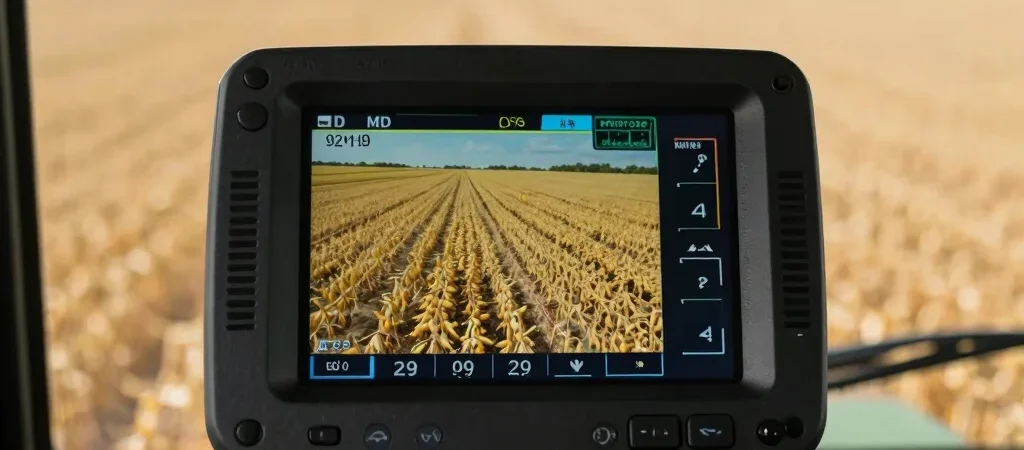
Commercial farming operations rarely run single-brand machinery fleets across all field operations. Integrating grain combines, grain carts, and transport trucks into a unified telemetry network requires careful setup of open data protocols and hardware interfaces. Standardized telemetry integration prevents diagnostic blind spots and simplifies harvest logistics during peak operating windows.
Establishing ISOBUS Standard Compatibility
ISOBUS compliance guarantees basic electrical connectivity, but functional data sharing depends on specific task controller capabilities. Verifying ISO 11783 compatibility across display consoles ensures yield maps, moisture readings, and fuel burn metrics record accurately regardless of tractor or implement color. Fleet managers should verify that custom proprietary telemetry gateways map standard diagnostic trouble codes without masking vital engine warnings.
Streamlining Machine Data Capture and Cloud Syncing
Machine telemetry hardware must operate reliably in remote regions where cellular coverage is intermittent or unavailable. Equipping field units with local buffer memory ensures machine performance data, GPS traces, and yield logs store locally until cellular or wireless connections reconnect. Automatic data uploading eliminates manual flash drive transfers and reduces administrative delays during yield analysis.
Implementing Preventive Maintenance Alerts
Automated telemetry monitoring tracks engine hours, hydraulic fluid temperatures, and belt speeds in real time across the harvest fleet. Setting custom alert thresholds for filter pressure differentials allows shop mechanics to address component wear before catastrophic failure stops field operations. Proactive maintenance scheduling preserves equipment trade-in values and maintains high field operational efficiency throughout the season.